Source oled micro display cycling glasses for Racing, Commuting, and Training
Compare 30 listings for oled micro display cycling glasses featuring polarized TAC lenses, UV400 protection, and customizable packaging. These sports sunglasses support OEM/ODM services and are suitable for unisex eye protection and decoration in various scenarios; compare the available evidence and request quotations based on your requirements.
Key considerations
Products List


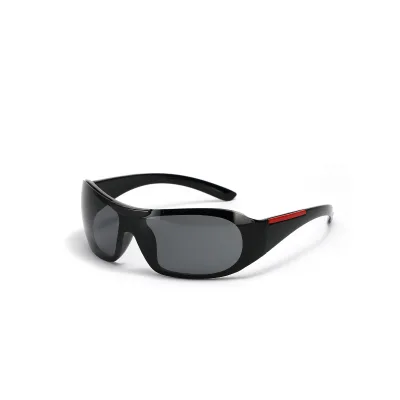
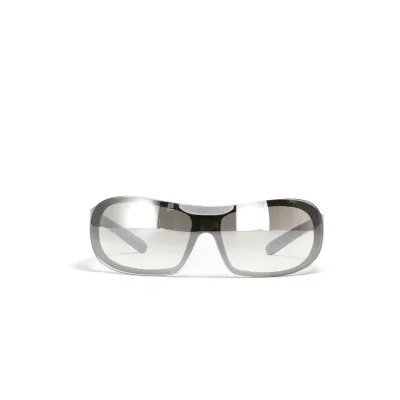


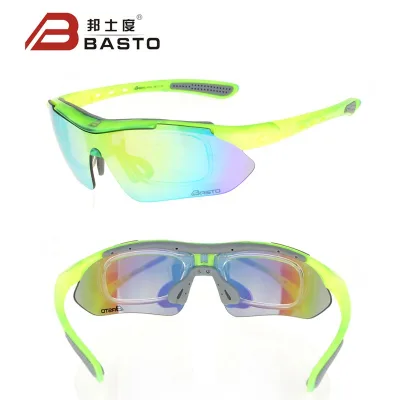


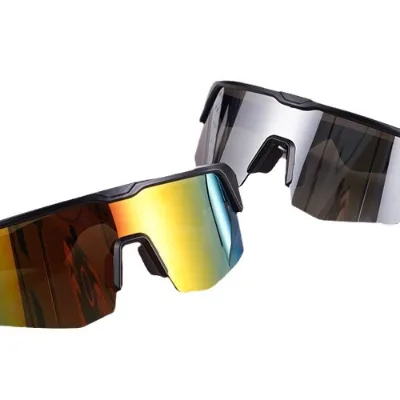


Comprehensive Sourcing Guide
OLED Micro Display Cycling Glasses Sourcing Guide
The market for advanced eyewear often blends traditional sports sunglasses with emerging display technologies, though current listings primarily feature high-performance optical frames rather than integrated micro-displays. Buyers must distinguish between standard polarized sports models and true augmented reality solutions, as the supplied data reflects conventional PC and TAC lens constructions with UV400 protection. These products are designed for eye protection and decoration in training, competition, and leisure scenarios, serving unisex users who require durable, customizable frames.
Procurement strategies should focus on verifying the actual presence of micro-display components, as many available items are standard cycling glasses with customizable logos and packaging. The observed product range includes models with ellipse and oval shapes, featuring adjustable nose pads and silicone materials for comfort during extended wear. Sourcing teams must clarify whether the "OLED" designation refers to a specific display integration or is a marketing term for high-contrast lenses, ensuring the final specification matches the intended technical application.
Product Scope and Observed Listing Signals
Current catalog data indicates a diverse range of sports sunglasses with specific frame colors like black and grey, alongside lens options in blue and mirror finishes. These items typically support customization for logos and packaging, with origins traced to regions like Zhe Jiang and general China manufacturing hubs. The observed price points vary significantly, suggesting a market segment that accommodates both entry-level protective eyewear and premium, feature-rich models for professional athletes.
Buyers should note that while some listings mention "OLED" in search contexts, the verified attributes describe standard optical properties such as polarization and UV resistance rather than active display capabilities. The product scope includes models with specific dimensions and weights, packed individually in OPP bags or cartons, suitable for both myopia and non-myopia corrections. Understanding this distinction is critical to avoid misalignment between the procurement request for micro-display technology and the actual supply of high-quality passive optical gear.
Technical Specifications to Verify
Technical due diligence must confirm the lens material composition, as the data specifies PC and TAC materials with acid ester properties for durability and clarity. Buyers should verify the optical attributes, specifically the polarization status and UV400 resistance levels, which are essential for reducing glare during high-speed cycling. The frame construction often utilizes PC materials, offering a lightweight yet robust structure that withstands the rigors of training and competition environments.
Further verification is required for functional features like anti-fog performance and waterproof capabilities, which are listed as good or standard in the observed listings. The physical specifications, including frame shapes like ellipse and box styles, must align with the ergonomic needs of the end-user, particularly regarding adjustable nose pads and fit ranges. Procurement teams should request detailed optical test reports to ensure the lenses provide clear vision and meet the specific UV protection standards claimed by the supplier.
Compliance and Safety Documentation
Safety compliance is a primary concern, with observed certifications including CE, FDA, and PPE standards, alongside EN requirements for protective eyewear. Buyers must ensure that the specific model selected carries valid documentation for the target market, as certifications like FDA and CE indicate adherence to rigorous safety and quality benchmarks. The presence of these marks suggests the products are designed to meet international regulatory requirements for eye protection in sports and industrial settings.
Documentation review should also cover the specific standard codes and testing protocols used to validate UV resistance and impact resistance levels. While some listings mention "Black/Aqua silver/Green/Mocha/Beige" as certification colors, this likely refers to lens tints rather than safety ratings, requiring clarification from the supplier. Procurement teams must demand a Certificate of Conformity for each batch to confirm that the UV400 claims and material safety data sheets are accurate and up to date.
Cost Drivers and Commercial Terms
Pricing in this sector is influenced by material costs, customization complexity, and order volume, with observed MOQs ranging from 2 to 50,000 units. The cost structure varies based on whether the buyer requires standard packaging or custom logo printing and specialized packaging solutions. Higher volume orders typically benefit from economies of scale, but the specific unit price will depend on the complexity of the frame design and the quality of the optical lenses.
Commercial terms must address lead times and shipping logistics, as products originate from specific manufacturing regions like Zhe Jiang. Buyers should negotiate clear terms regarding the production of custom models, which may involve longer lead times compared to stock items. It is essential to clarify whether the quoted price includes all necessary certifications and testing fees, ensuring there are no hidden costs associated with regulatory compliance for the destination market.
Supplier Qualification and Quality Control
Supplier qualification should prioritize manufacturers with a proven track record in producing sports eyewear that meets international standards. The ability to offer OEM and ODM services, including custom logos and packaging, indicates a flexible production capability that can adapt to specific brand requirements. Buyers should verify the supplier's quality control processes, ensuring they have robust systems in place to maintain consistency across large production runs.
Quality control checks must include random sampling of finished goods to verify frame durability, lens clarity, and the accuracy of UV protection claims. Suppliers should demonstrate their capacity to handle the specific material requirements, such as PC and silicone components, without compromising the structural integrity of the product. Establishing a clear communication channel for addressing defects and ensuring that all products meet the agreed-upon specifications is vital for a successful long-term partnership.
Long-Term Procurement Checks
Sustaining a reliable supply chain requires regular audits of supplier performance and product consistency over time. Buyers should implement a schedule for re-verifying certifications and testing results, as regulatory standards and material specifications can evolve. Maintaining a relationship with a supplier who can provide updated documentation and adapt to changing market demands ensures the continued availability of high-quality cycling glasses.
Long-term checks also involve monitoring the supplier's ability to maintain the specific product attributes, such as the UV400 rating and anti-fog performance, across different production batches. Procurement teams should establish clear metrics for quality acceptance and define the consequences of non-compliance to protect the brand's reputation. Regular feedback loops with the supplier will help identify potential issues early and ensure that the product line remains competitive and compliant with industry expectations.
FAQs
Can these cycling glasses support myopia lenses?
Yes, the product supports myopia lenses with options for both myopic and non-myopic prescriptions. The frame features an ellipse shape and adjustable nose pads for a secure fit. This design ensures clear vision and comfort during training, competition, or leisure activities, making them versatile for various eye protection needs.
What certifications do these sports sunglasses have?
The sunglasses hold CE, FDA, and PPE certifications, ensuring compliance with safety standards. Some models also meet EN standards. These certifications verify the product's quality and safety for eye protection. Buyers can rely on these documented credentials when sourcing for regulated markets or specific industry requirements.
What is the minimum order quantity for customization?
The minimum order quantity ranges from 2 to 50,000 pieces depending on the specific model and customization level. Custom logo and packaging options are available. This flexible MOQ allows buyers to start with small test orders or scale up for large commercial distributions without excessive initial inventory commitment.
How are the lenses constructed for sports use?
The lenses are made from TAC material with a polarized optical attribute and UV400 protection. They offer good anti-fog and waterproof features. The blue or grey lens colors enhance visibility in bright conditions. This construction ensures durability and clear vision for cycling and other outdoor sports activities.
Where are these cycling glasses manufactured?
The products originate from Zhejiang, China. The manufacturing location supports efficient logistics and supply chain integration. Buyers can expect standard packaging in OPP bags or cartons. This origin provides access to established manufacturing hubs known for producing high-quality eyewear components and finished frames.
What materials are used for the frame and lenses?
The frame is constructed from PC material, providing lightweight durability. The lenses use TAC or Acid Ester PC materials for optical clarity. This combination ensures impact resistance and comfort. The black frame color offers a versatile aesthetic suitable for unisex wear and various sports styling preferences.